

Panel Recap: Powering Progress - Delivering Major Regional Projects through Public-Private Partnerships
By Gabriel Negrón Torres and Racheal Matheny, NYU Rudin Center Graduate Research Assistants
On Earth Day, April 22, 2026, the NYU Rudin Center for Transportation Policy and Management convened a panel of transportation and utility leaders from across the New York region to discuss their experiences with Public-Private Partnerships. Often called P3s, Public-Private Partnerships are mechanisms by which the public sector may complete major works using private sector capital and expertise.
Moderated by Sarah Kaufman, the conversation featured perspectives from Amtrak, the Port Authority of New York and New Jersey, the MTA, and Con Edison, about how P3s are being used to move complex, large-scale projects forward. Facing the challenges of growing capital needs, electrification goals, and institutional complexity, the panel explored opportunities to leverage private-sector partnerships to deliver these critical infrastructure projects across the region.
The panelists were:
Sara Appleton, Amtrak, Director, NY Penn Station Transformation
Quemuel Arroyo, MTA, Chief Accessibility Officer
Lori Miller, Con Edison, General Manager – Energy Services
Amanda Rogers, Port Authority, Director of Construction
The speakers emphasized that P3s are increasingly essential for delivering infrastructure investments while managing varying levels of risk, tight timelines, and complex project requirements. They also spoke about the importance of working with highly engaged partners.
Panelists shared that there is a significant financial need to support aging infrastructure development, address utility grid constraints, and deliver on time and on budget. Their organizations view P3s as a tool to fulfill these needs in an efficient, economical, and innovative manner. They also noted that the public sector can, at times, be limited in its capacity for experimentation, research, and development. Conversely, the private sector offers greater flexibility for innovation, so partnerships produce mutually beneficial results for all involved.
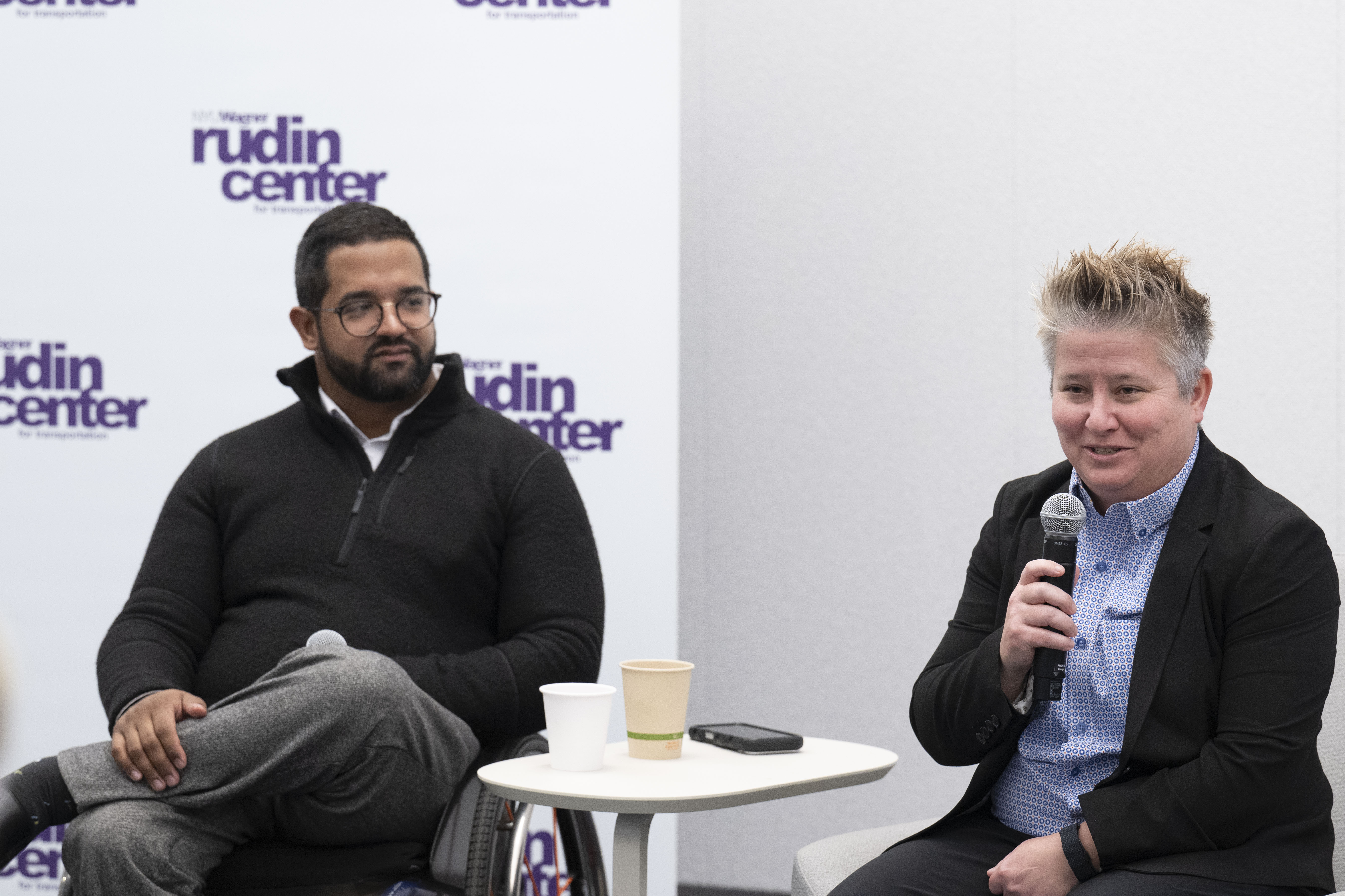
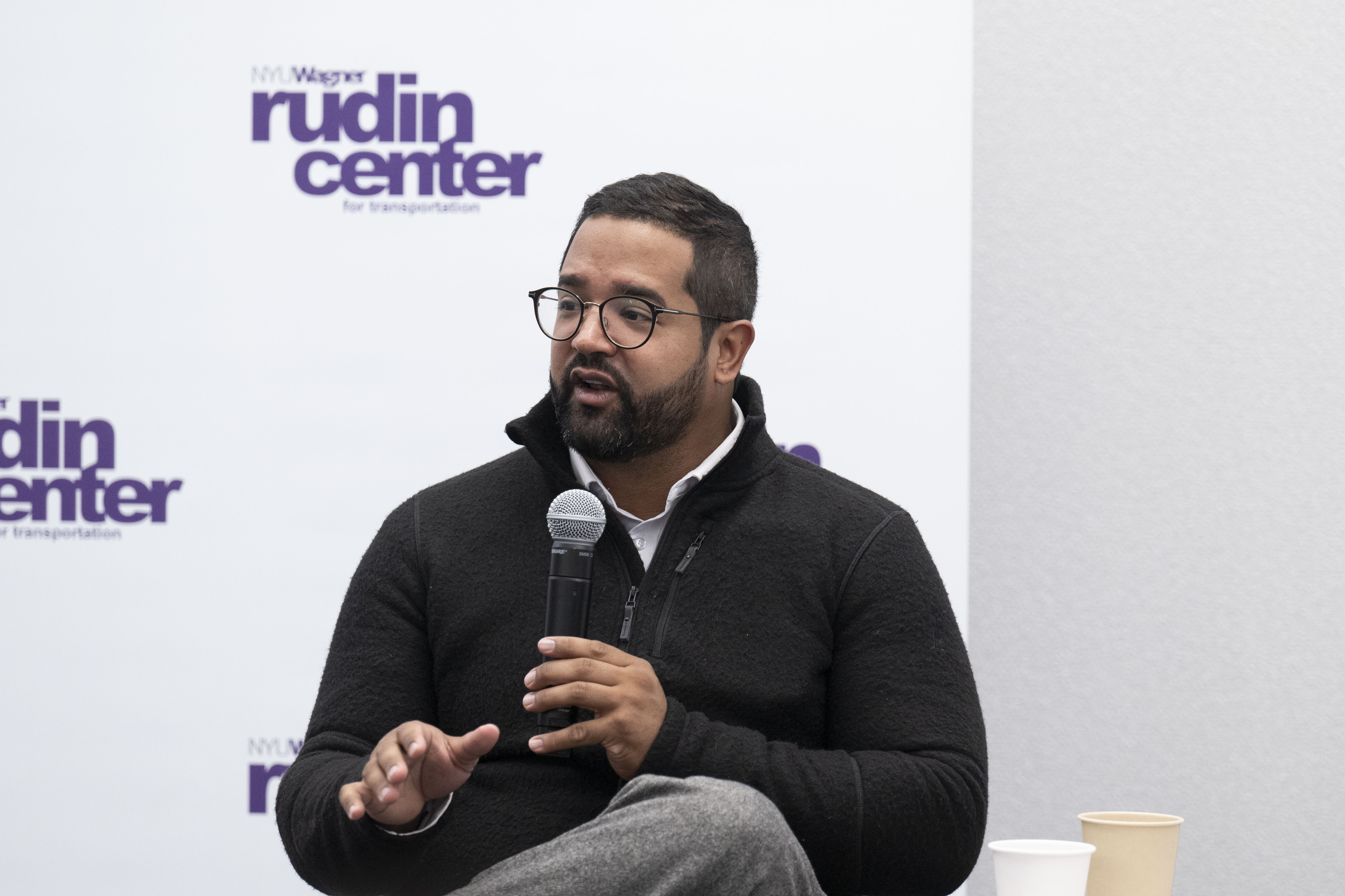
Who are the right partners and what makes them effective for a successful P3? For Quemuel Arroyo, MTA’s first Chief Accessibility Officer, a strong private sector partner truly understands the public sector's needs and constraints. Still, he added, the government also needs to be clear and transparent about the problems and challenges faced.
“When we share our constraints, the private sector would come and say, ‘We have the research and development.’ I don’t care about your solution until you fall in love with the problem.” – Quemuel Arroyo
Amanda Rogers, Director of Construction at Port Authority of New York and New Jersey (PANYNJ), highlighted that excellent leadership from the Agency’s side is fundamental to a successful P3, while Sara Appleton, Director of the NY Penn Station Transformation at Amtrak, mentioned that the right partner would bring focus and discipline to the project. Lori Miller, General Manager of Energy Services at Con Edison, seconded Arroyo’s point about the need for clear communication and transparency from the government side to establish the right goals and expectations.
Panelists spoke from experience. In her role as Director of Construction at PANYNJ, Rogers oversaw the renovations at JFK and LaGuardia Airports. She is now applying lessons learned from those projects to her work on the new Midtown Bus Terminal, where the Port Authority is rebuilding North America’s busiest bus terminal while it continues to be in use. Appleton discussed the Penn Station Transformation, where Amtrak has advanced a multi-phase procurement process under a P3 structure in coordination with the federal government and rail partners. One of those partners is the MTA, which has pursued partnerships with private developers to support the construction of more accessible subway stations through zoning incentives.
When asked about challenges panelists have navigated in public-private partnerships, Appleton explained that all entities involved share responsibility for finding a solution that meets the needs of community stakeholders. Panelists noted that they’ve experienced times when project costs and profits are miscalculated or when responsibilities are unclear; contract documents help resolve such conflicts. When these situations remain unclear despite existing contracts, panelists recommended connecting with the people behind the partnership; human conversations can help to create a path forward.
It is clear that there is no “one-size-fits-all” P3 model. Successful P3s must be tailored to the specific financial, operational, and government conditions and realities of each project. That is why, in New York, the diversity of agencies, stakeholders, and project types creates both complexity and opportunity to position the city as an innovation hub for new approaches to partnerships that the rest of the country can follow.
Sign up for the NYU Rudin Center newsletter or follow along on Linkedin or Instagram for updates about upcoming panels and events.
Photos: Courtesy of NYU Photo Bureau