

David Salinas (MPA-PNP 2026) Selected to Present at Latinx Project’s Graduate Student Research Symposium
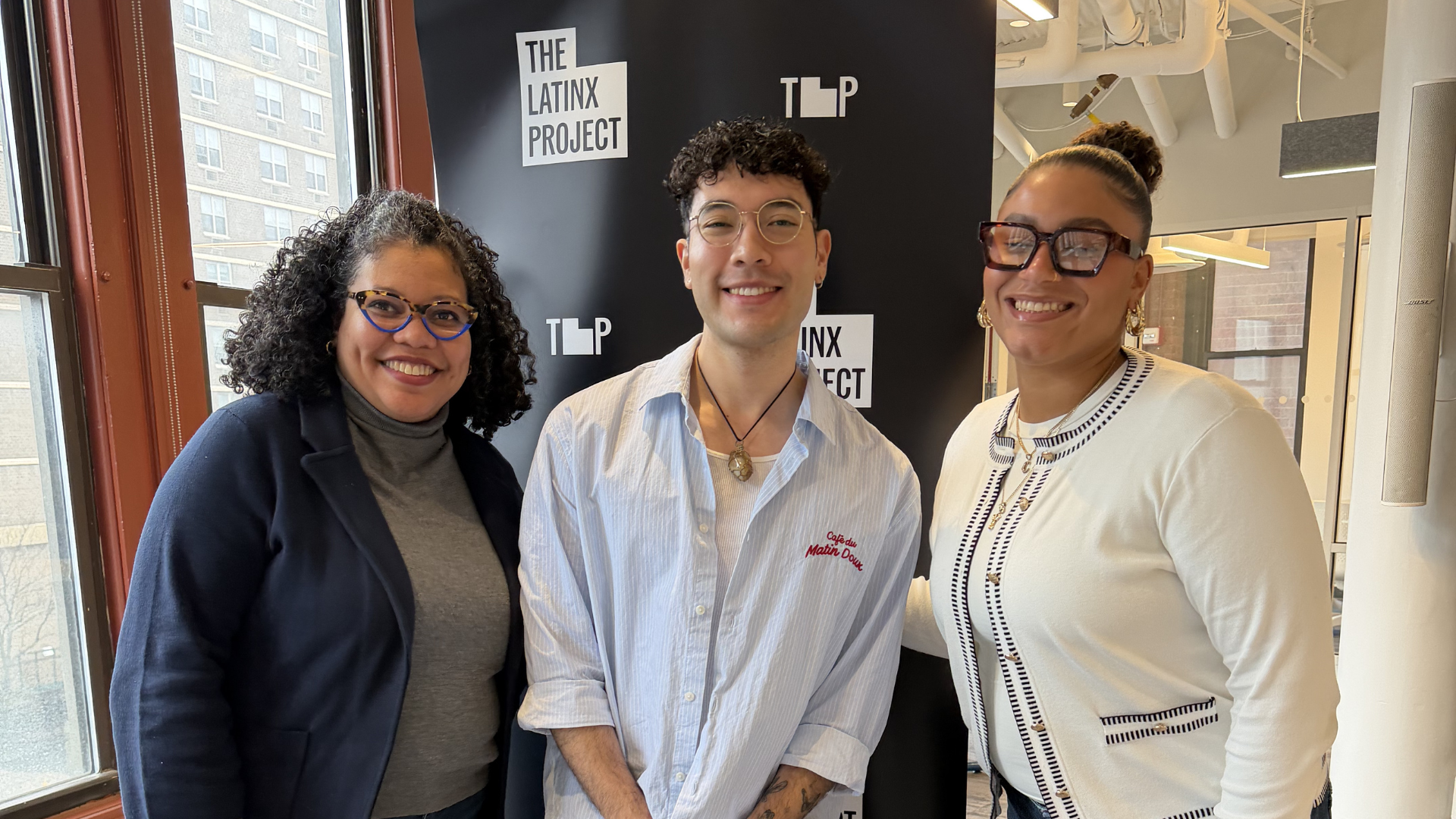
David Salinas (MPA-PNP 2026) was selected to present at the Latinx Project Graduate Student Working Group’s second annual Graduate Student Research Symposium. This year’s conference, titled We Are the People Who Leap in the Dark, brought twelve graduate students from across the country to NYU’s campus in February for thoughtful presentations on topics salient to Latinx studies.
Salinas concentrates in Advocacy & Political Action and is the first recipient of Wagner’s highly selective CHCI Scholarship, which is awarded to outstanding alumni of the Congressional Hispanic Caucus Institute.
He presented findings from his paper “From Stigma to Strength: Rethinking Latinx Tattoo Culture Under State Surveillance” on a panel exploring the intersections of the human body, art, and Latinx culture.
“Growing up in Dallas, Texas, and later completing my undergraduate studies in the Bay Area, I found myself surrounded by Mexican culture and art,” Salinas said. Fellow graduate student presenters also explored how art reflects the Latin and Caribbean diaspora’s experiences. “Through these conversations, I began to see more clearly how policy and art overlap,” Salinas said.
Salinas’ personal connection to art informed his perspective on recent developments in federal immigration policy, which shifted tattoos into the nexus of culture and policy. Under a new framework, federal immigration officials identify tattoos as a marker of association with the criminal organization Tren de Aragua. Individuals with tattoos automatically receive 4 points on a scorecard that rates their level of loyalty to the organization.
“Across cultures, people have historically stigmatized tattoos, yet mainstream society simultaneously embraces them as trendy and aesthetic,” Salinas said. His research highlights the cultural importance of tattoos in Latinx communities, while contributing to a broader conversation on racial profiling and discrimination.
“Society continues to perceive people differently based on appearance. Black and Brown Communities experience racial profiling at significantly higher rates than their white counterparts,” Salinas said. He hopes his work inspires others to critically examine the techniques used by law enforcement to profile individuals.